
Cupping Therapy in Hoboken
WELLNESS
RECOVERY
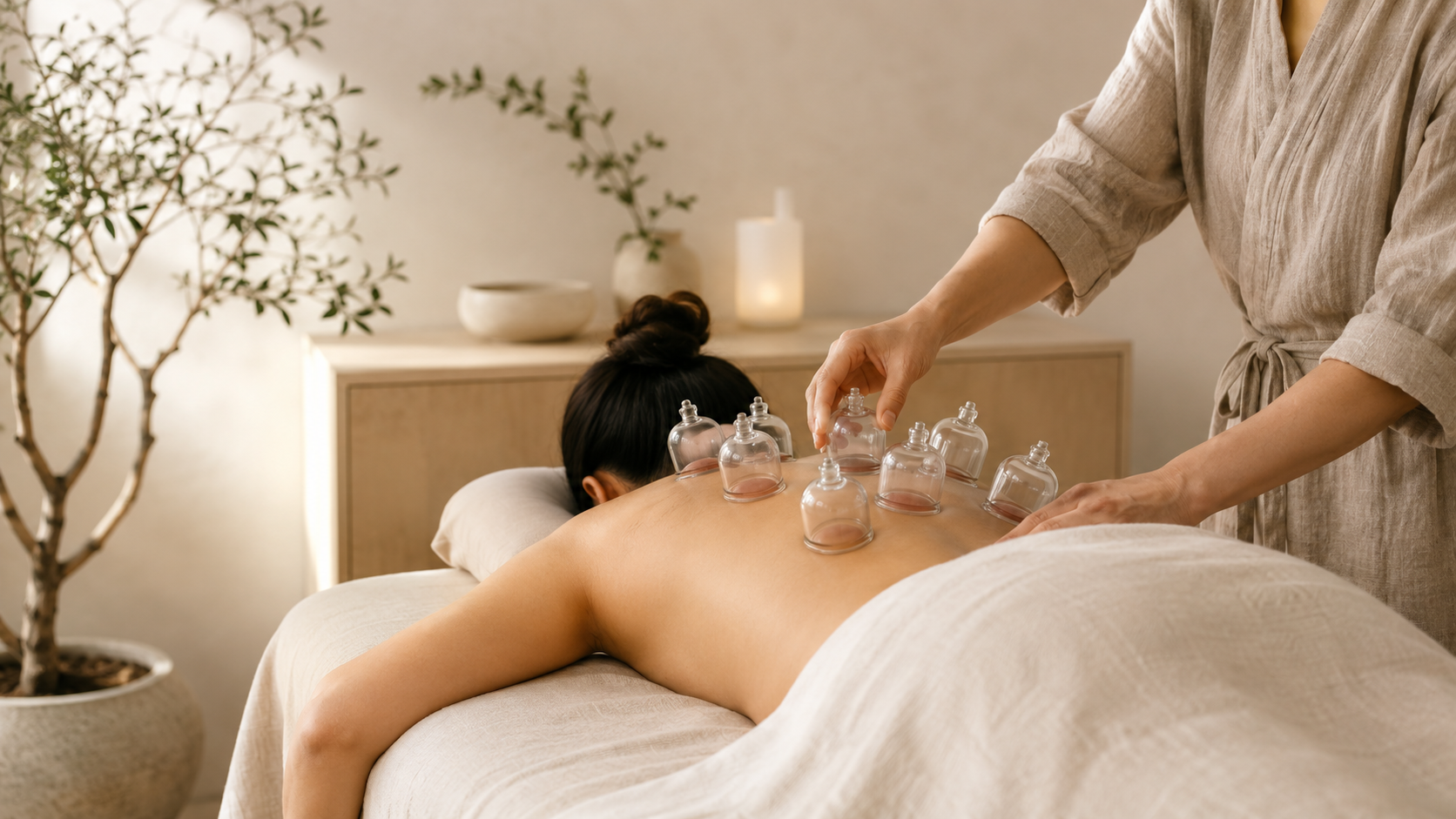
Cupping is one of our most-requested recovery modalities and for good reason. When applied correctly, it can release tight fascia, improve blood flow to sore tissue, and provide a level of relief that no amount of foam rolling ever quite matches.
At Nee's Physical Therapy, we use cupping as part of our soft-tissue work. Cupping is usually not the whole treatment. It's a tool we reach for when your body needs it, alongside manual therapy, movement, and exercise. A typical cupping session at Nee's PT runs 30–60 minutes, one-on-one with Akanksha, and is often paired with Graston, manual therapy, or recovery boots, depending on what you need.
1-on-1 Wellness & Recovery
·
Reliability You Can Count On
·
A Focus on Quality
·
1-on-1 Wellness & Recovery · Reliability You Can Count On · A Focus on Quality ·
How Cupping Therapy Works at Nee’s PT
-
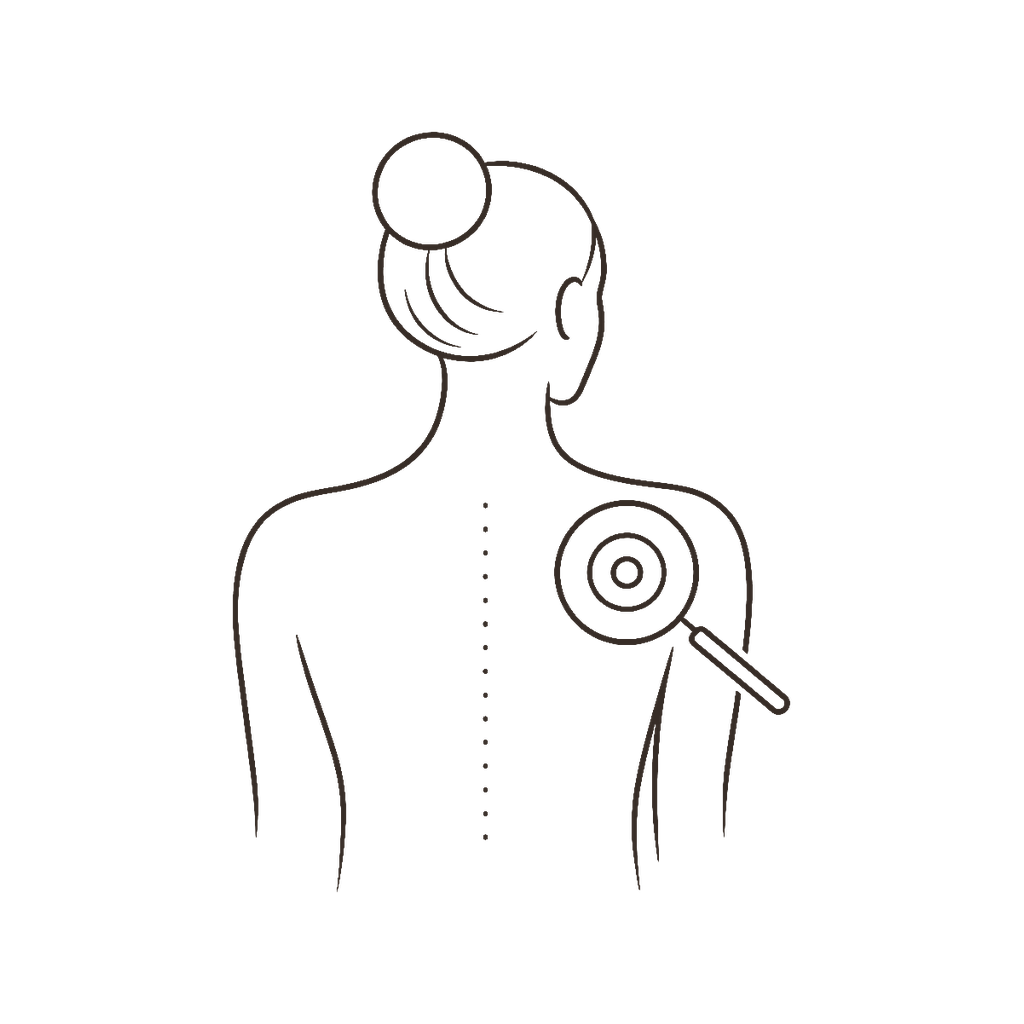
Assessment
We evaluate where the tightness or restriction actually is. Sometimes the pain and the problem are in different places. Cupping is most effective when the placement is precise.
-
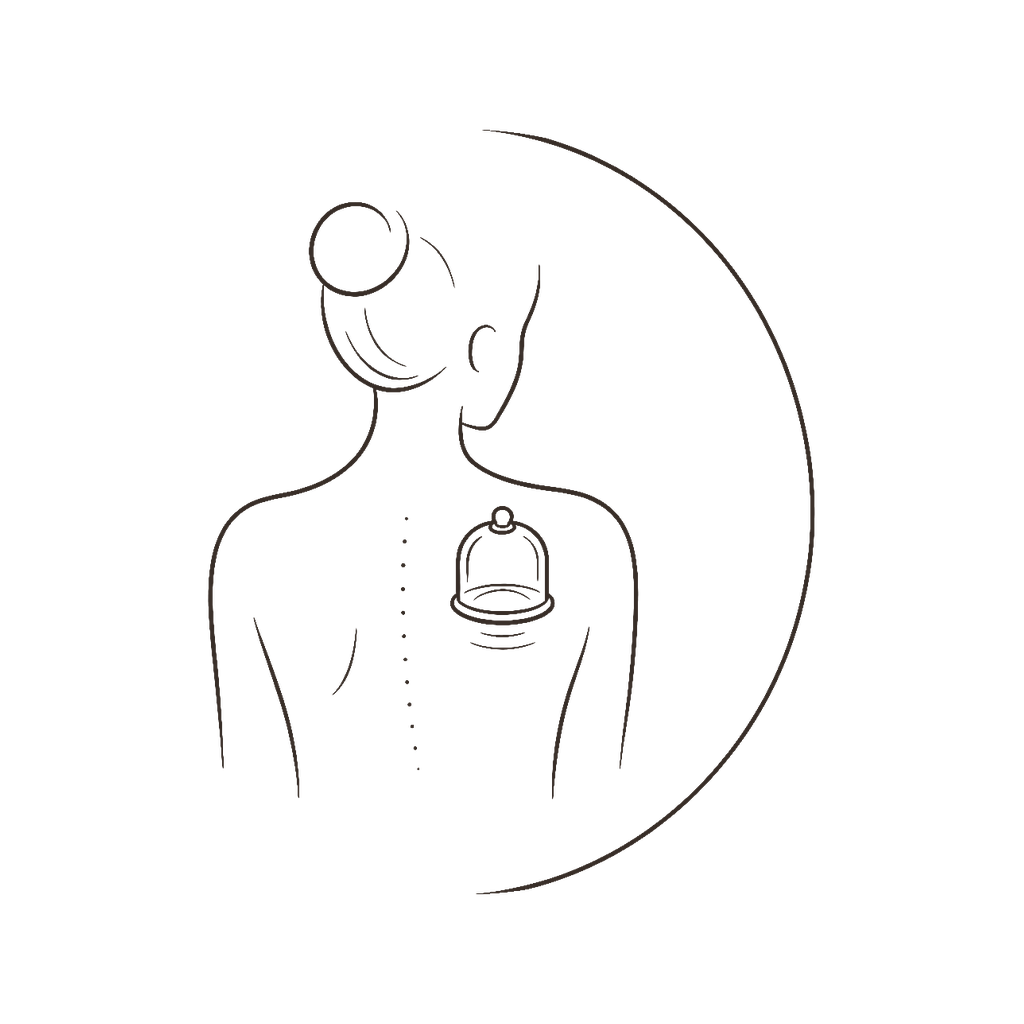
Cupping treatment
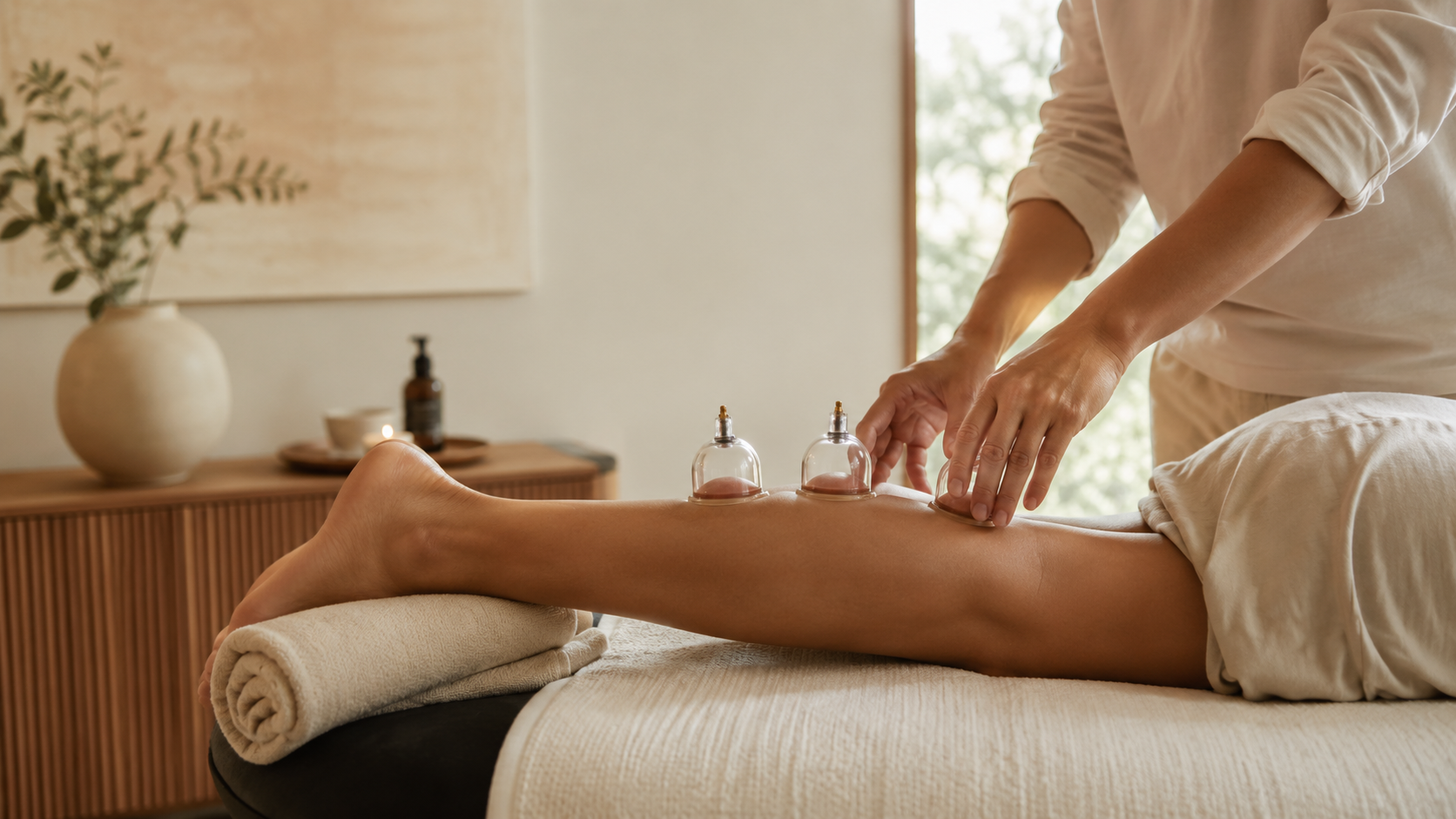
Silicone or plastic cups are placed on the skin with gentle suction. You'll feel a pulling sensation that is firm but not painful. Cups stay in place for 5–15 minutes.
-
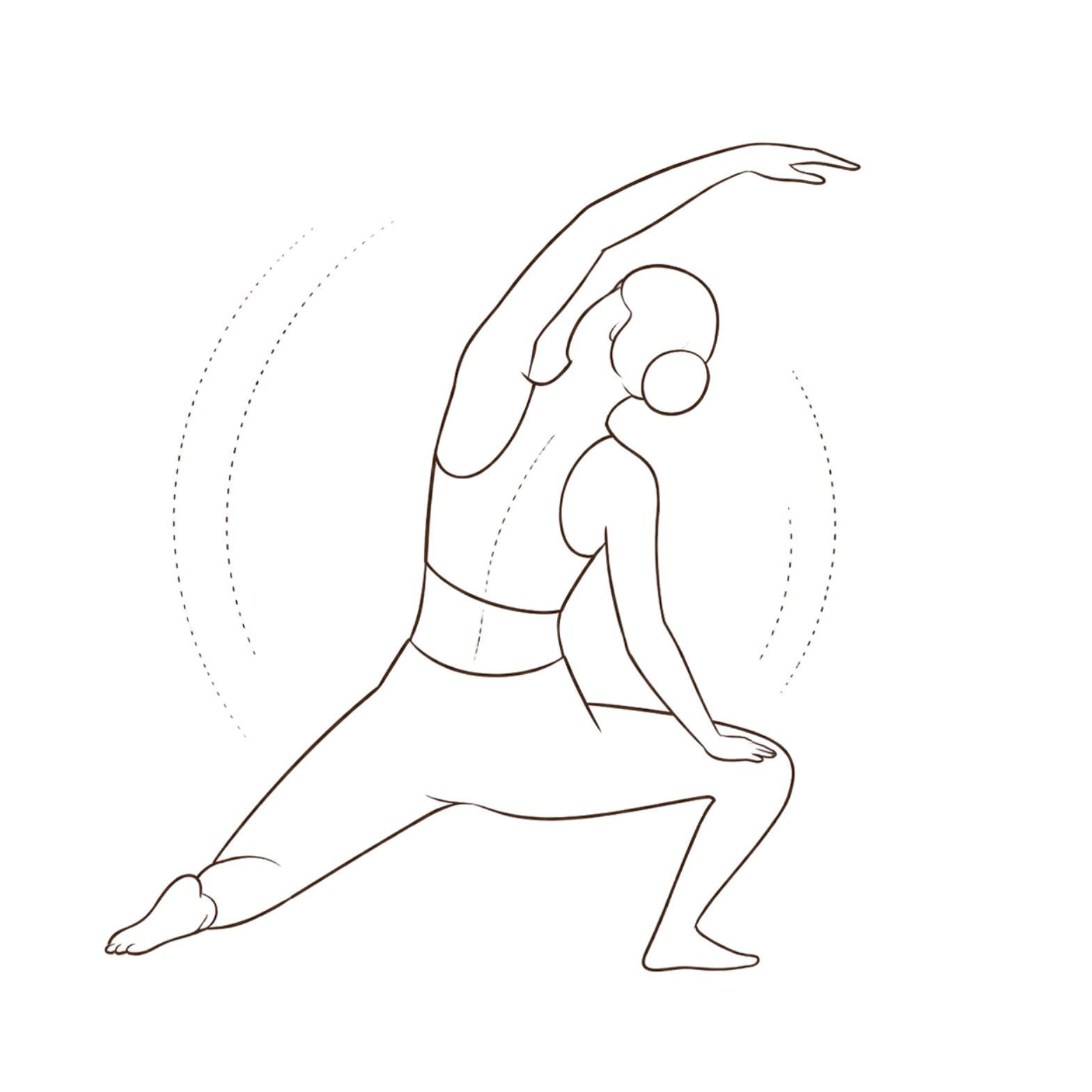
Active integration
After cupping, we do active work such as movement, stretching, or targeted exercise to take advantage of the new tissue mobility. This separates a cupping session that lasts a few hours from one that lasts for weeks.
What Cupping Helps With
Upper back and shoulder tightness · Neck stiffness · IT band tension · Plantar fasciitis · Tight hamstrings · Calf knots · Post-workout recovery · Scar tissue mobility · Chronic muscle tension · Stress-related tightness · Pre-race loosening · Low back tension
About the Marks
Yes, cupping leaves circular marks. However, they're not bruises. Bruises are caused by trauma, and cupping doesn't damage tissue. The marks are pooled fluid drawn to the surface. They typically fade in 3–7 days. The darker the mark, the more stagnant the tissue was. If having visible marks is a problem for you (a big event coming up, a wedding dress, etc.), let us know in advance so we can plan around it.
— LET’S GET STARTED