
Runner Gait Analysis in Hoboken
WELLNESS
RECOVERY
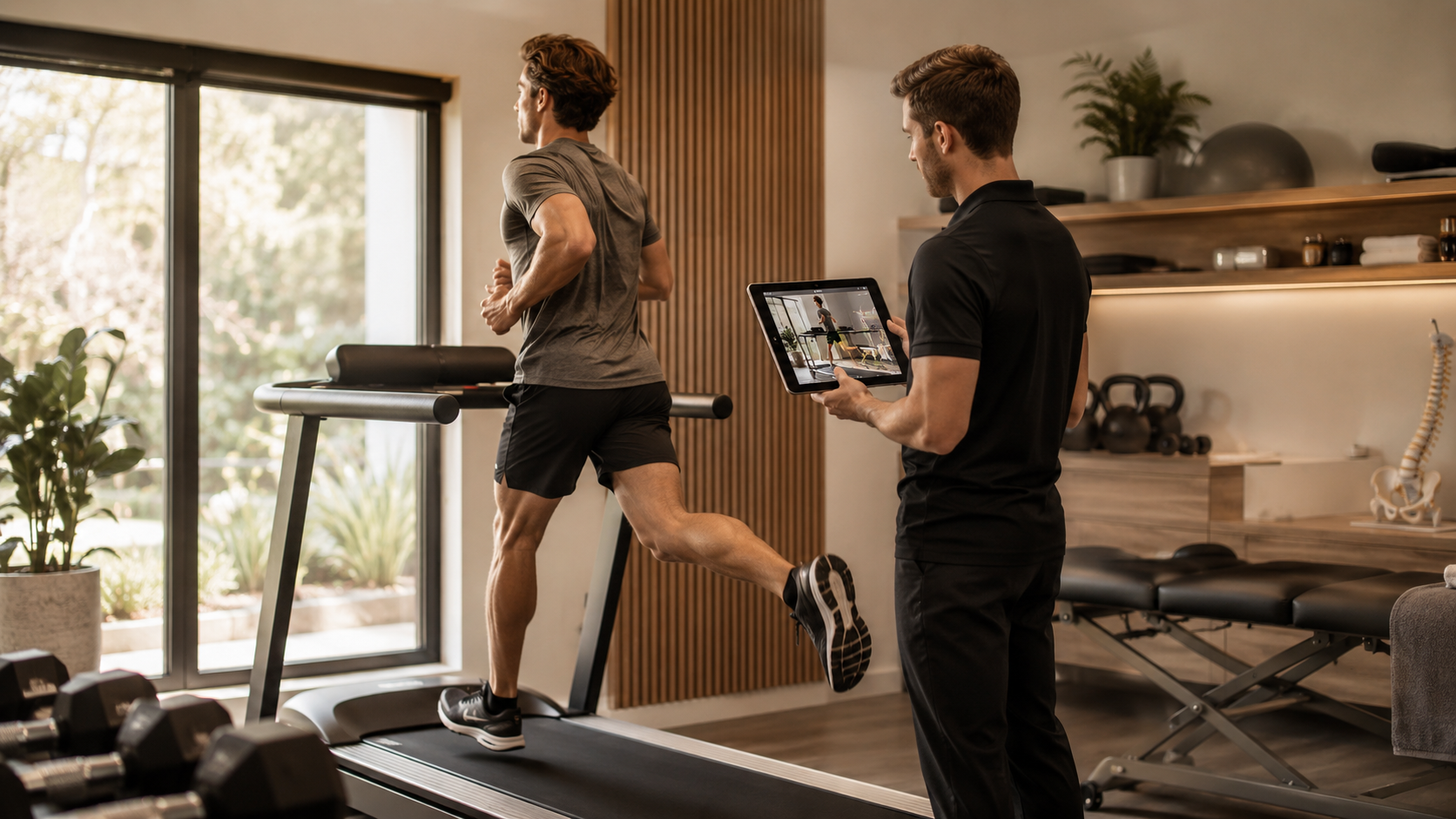
Runner gait analysis helps identify how your body moves when you run, where stress is building, and what may be contributing to pain, tightness, or recurring running injuries.
At Nee’s Physical Therapy, we offer gait analysis for runners as part of our sports physical therapy and wellness recovery services. We look at your stride, foot strike, cadence, hip control, knee alignment, ankle mechanics, posture, and training history to understand what your running pattern may be telling us. A typical session may include gait review, strength assessment, mobility testing, movement coaching, and a return-to-run or performance plan.
1-on-1 Wellness & Recovery
·
Reliability You Can Count On
·
A Focus on Quality
·
1-on-1 Wellness & Recovery · Reliability You Can Count On · A Focus on Quality ·
How Runner Gait Analysis Works at Nee’s Physical Therapy
-
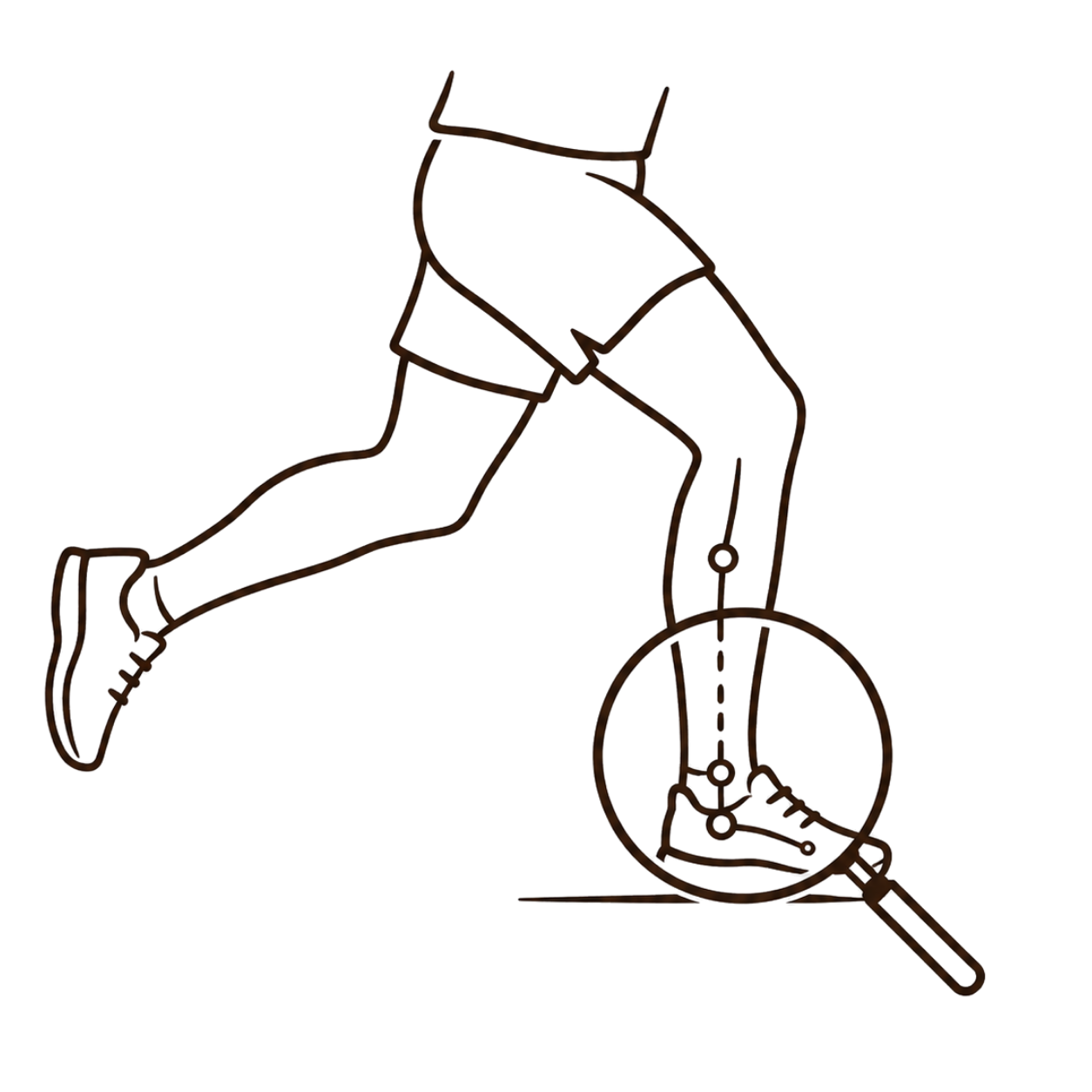
Running Assessment
We start by learning about your running routine, shoes, mileage, goals, injury history, and current symptoms. Then we observe how you run to identify patterns that may be affecting performance or increasing stress on your body.
-
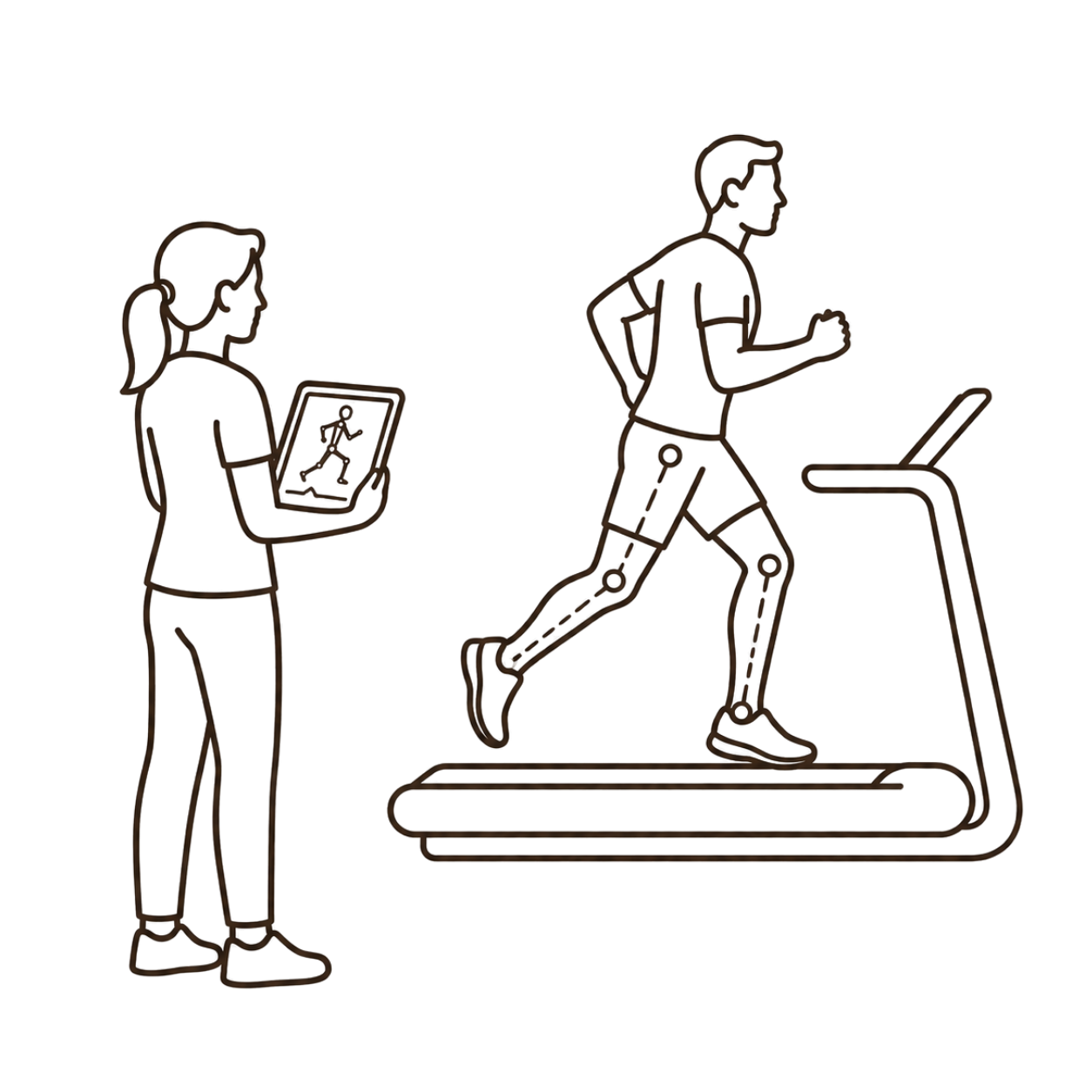
Movement Breakdown
We assess key areas like hip stability, knee control, foot and ankle mechanics, stride length, cadence, posture, and impact control. This helps us connect what happens during running to how your body moves off the treadmill or outside of running.
-
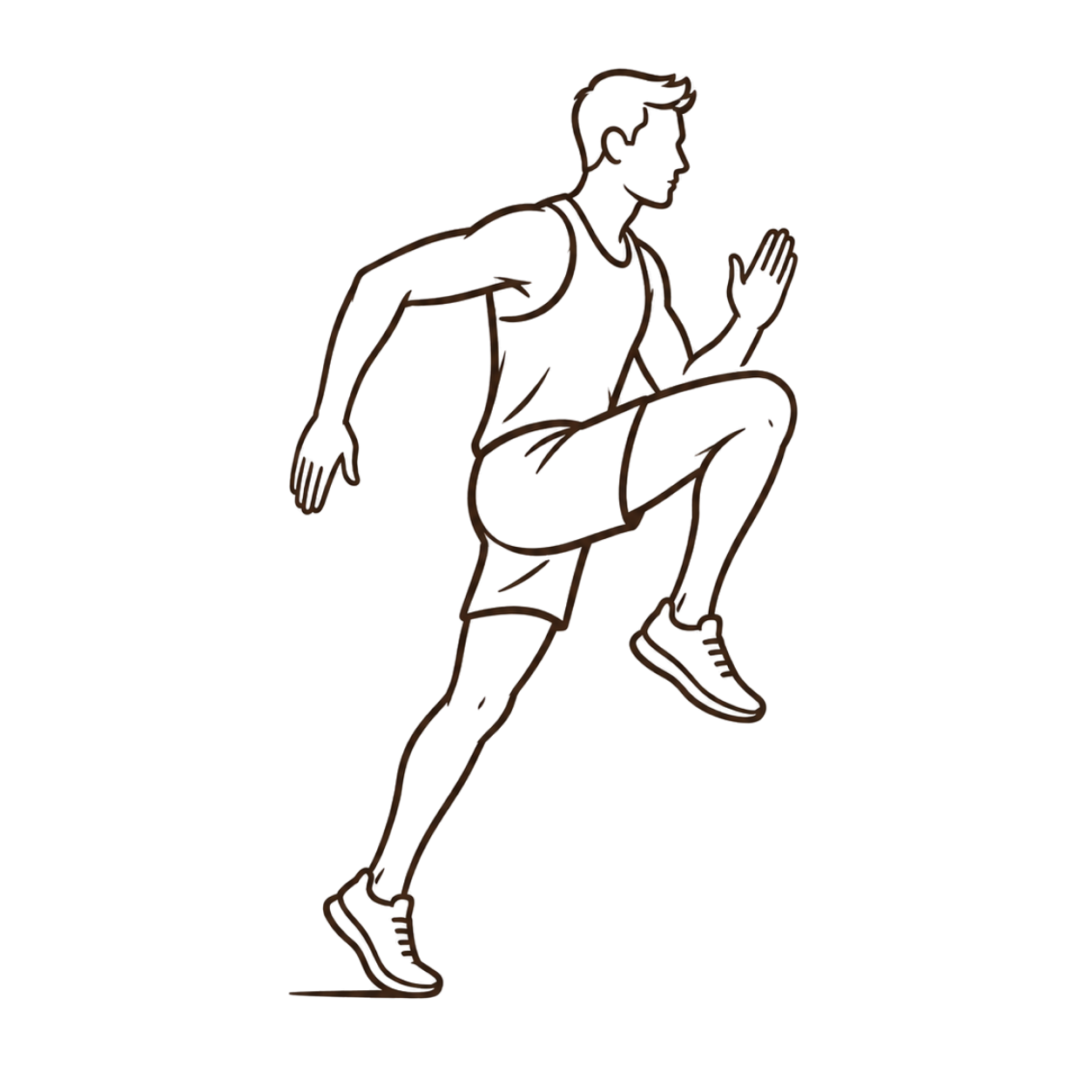
Action Plan
You leave with clear next steps. Your plan may include running form cues, strength exercises, mobility work, load management, recovery strategies, or a phased return-to-running plan depending on what we find.

What Runner Gait Analysis Helps With
Runner’s knee · Shin splints · IT band pain · Achilles tendinopathy · Plantar fasciitis · Hip pain · Calf tightness · Hamstring strain · Ankle pain · Foot pain · Recurring running injuries · Marathon training · Return to running · Running form concerns · Stride assessment · Cadence and impact control · Running injury prevention
About the Treatment
Runner gait analysis is not about making every runner look the same. It is about understanding how your body functions, where it compensates, and what changes may help you move with less strain.
Sometimes the issue is not your stride alone. Running pain can come from strength gaps, mobility restrictions, training load, footwear, recovery habits, or how your hips, knees, ankles, and feet work together. That is why we combine gait analysis with a physical therapy lens rather than focusing solely on form.
If you are training for a race, returning after an injury, or dealing with recurring pain, gait analysis can help you understand what is happening and what to do next.
— LET’S GET STARTED